St Bartholomew's Yarnton has been on the edge of my lit of churches to visit for a while. it is one I knew of but did not get around to visit. I decided to go along while my son was having his treatment at the JR but after checking if it was open I found that on the morning in question it was in use by a mother and baby group. I left it till I could find a day to visit which came one Friday morning. The problem was after visiting I realised there is another church I need to visit a few miles away. Church Crawling is taxing.There is quite a bit of history I have copied from Wikipedia :-
"The Church of England parish church of Saint Bartholomew was in existence by 1161 as a chapel attached to Eynsham Abbey. The Norman building from that period was completely rebuilt in the 13th century in the Early English Gothic style. The Perpendicular Gothic windows in the nave were added much later, followed by the clerestory in about 1600. Sir Thomas Spencer added the Spencer chapel, also Perpendicular Gothic, in 1611. The chapel houses monuments including Sir William Spencer (died 1609), Sir Thomas Spencer, 3rd Baronet (died 1684) and Charlotte Spencer-Churchill (died 1850). The chapel's windows contain heraldic stained glass representing branches of the Spencer family and are the largest collection of early 17th century heraldic glass in Oxfordshire.[ The remains of 15th century wall paintings including a Nativity are visible over the chancel arch. Above it are what may be remnants of a Massacre of the Innocents. Other paintings may survive under the current limewash, including what may be a large Saint Christopher over the north doorway.
Late in the 18th century Alderman William Fletcher of Oxford, who was born in Yarnton, gave St Bartholomew's six alabaster reliefs carved by a Nottingham sculptor in the 15th century and said to have been found during excavations near St Edmund Hall, Oxford. Four of the panels now form a reredos in the chancel. In the 1860s the other two were transferred to London: one to the British Museum and the other to the Victoria and Albert Museum. The windows of St Bartholomew's nave contain many examples of 15th and 16th century stained glass. A few of these were made for Yarnton, but most came from elsewhere and were given by William Fletcher between 1812 and 1816. St Bartholomew's has two baptismal fonts. Its original font is Norman, but William Fletcher added a second font, a Perpendicular Gothic one from about 1400, that was removed from St Michael at the North Gate parish church in Oxford.
St Bartholomew's bell tower was built in about 1611. One of its bells was cast in 1618 but William Taylor recast it in 1853, presumably at his Oxford foundry. Five more bells were cast in 1620 to complete the present ring of six: the tenor and one other by Henry I Knight of Reading, Berkshire but the treble and two other bells by another bell-founder, possibly Robert Atton of Buckingham. St Bartholomew's also has a Sanctus bell that William Yare of Reading cast in about 1611. St Bartholomew's had a 16th-century clock. In 1641 this was replaced with a new clock with a one-handed face. The new clock cost £5 18s 0d plus the scrap value of the old clock, and it took a whole week to install. Keeping the new clock running required frequent repairs, of which there are records from 1648, 1651, 1658, 1665, 1680, 1682, 1685, 1703, 1716 and 1730. The repair in 1703 was by the noted clockmaker John Knibb of Oxford."

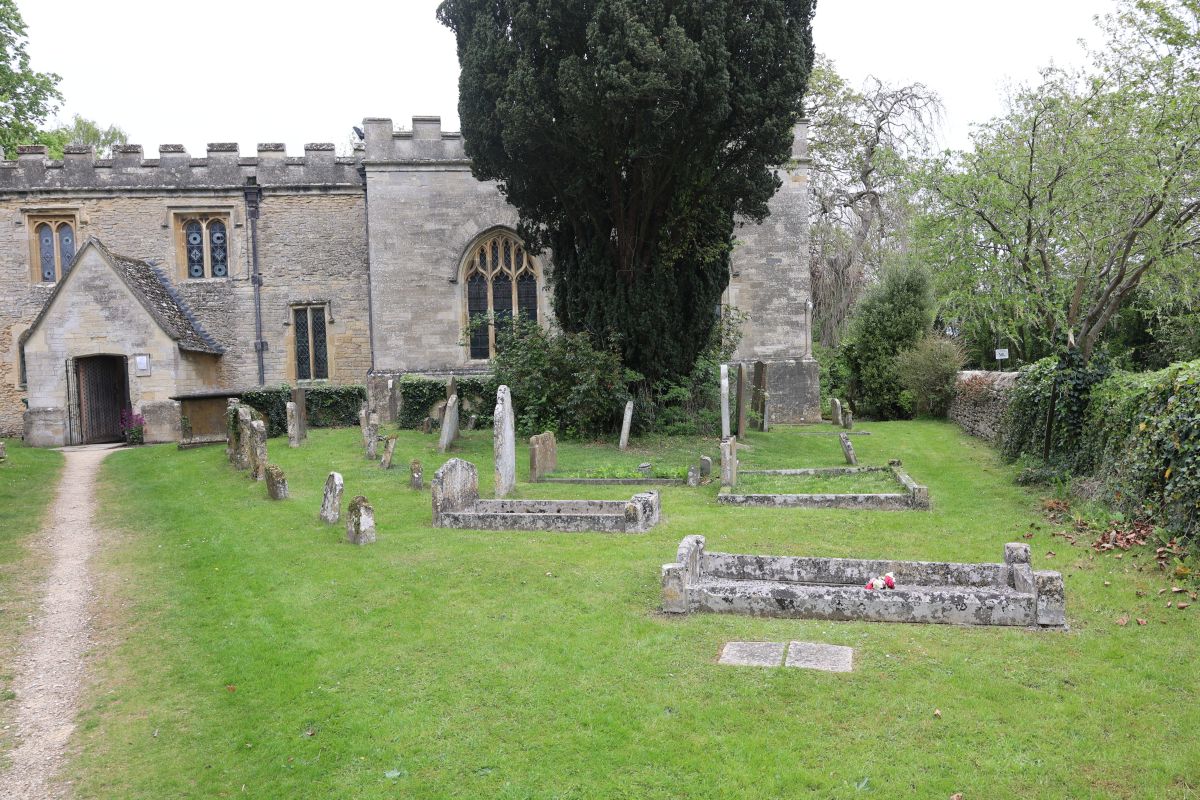
Turning towards the east end and some of the churchyard

Near the porch a Preaching cross pillar can be seen


The porch with door open, a good sign
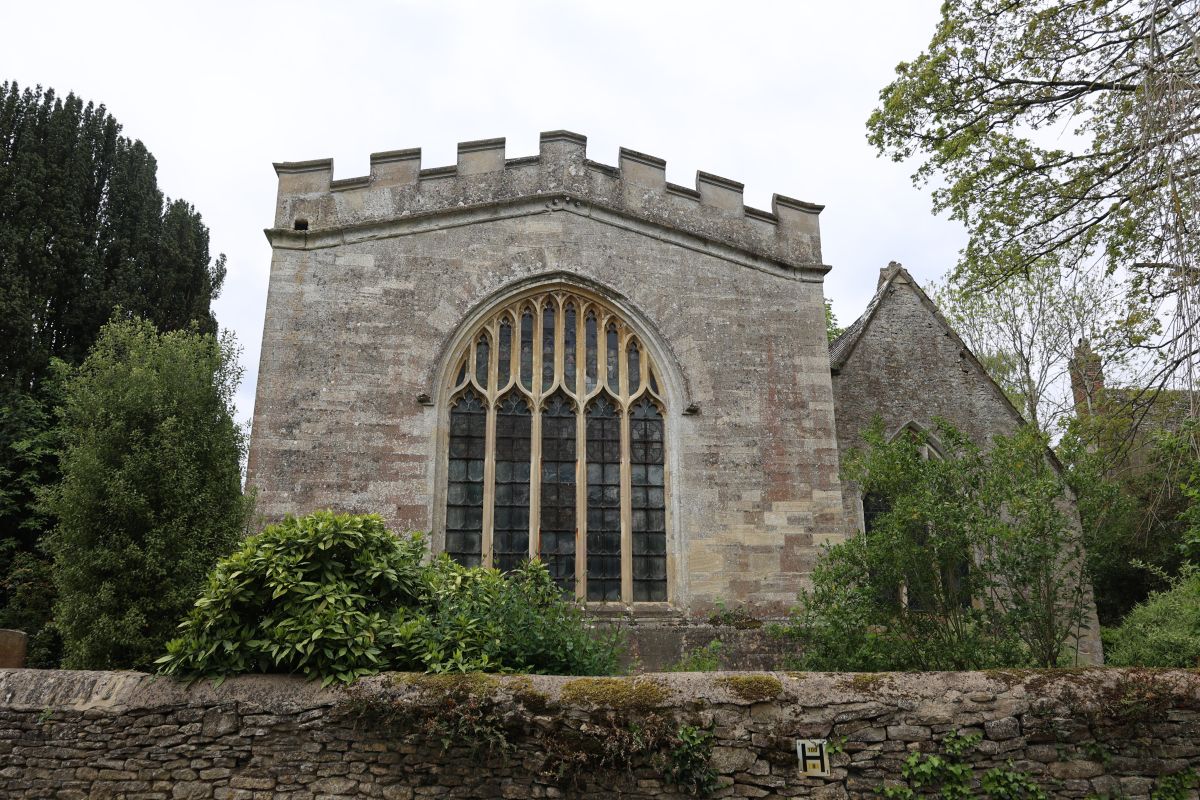
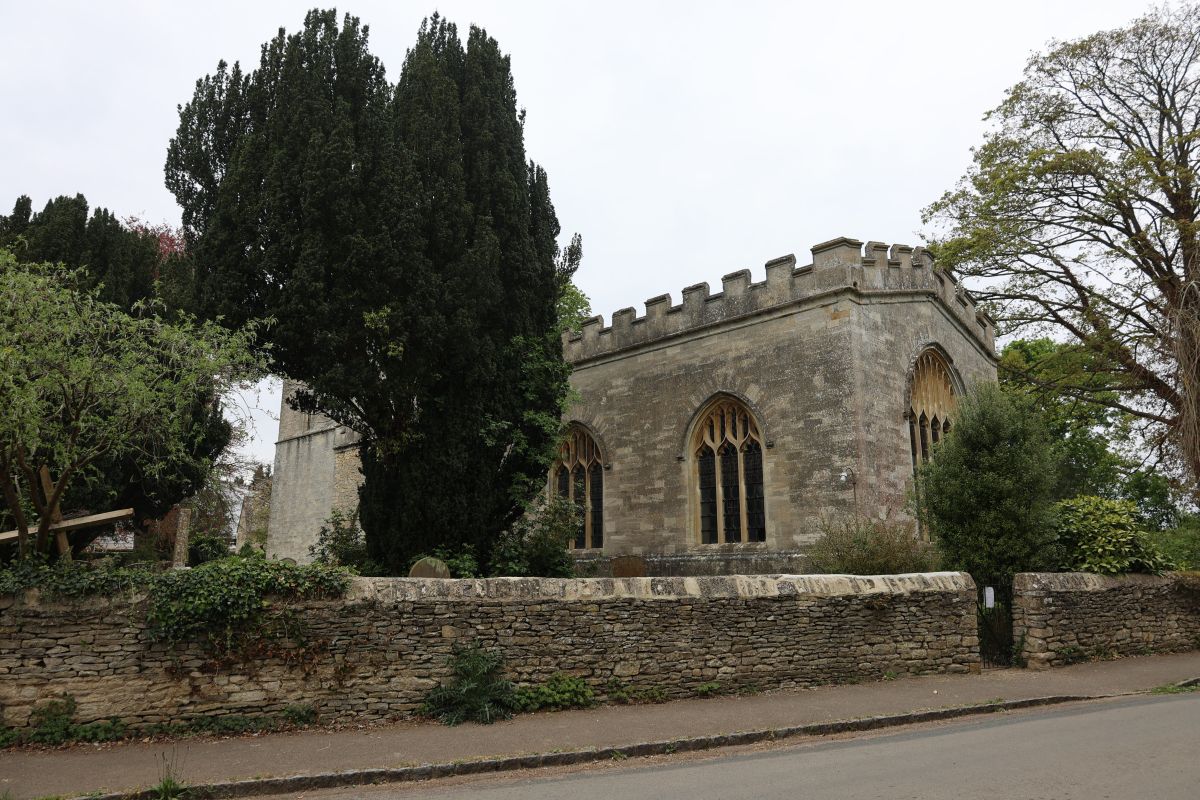
The east end seen from the road

.jpg)


.jpg)
Collage of the older graves and interesting tomb

.jpg)
.JPG)


.jpg)


.jpg)


.jpg)
.jpg)


.jpg)
.jpg)


.jpg)
.jpg)
.jpg)


.jpg)


.jpg)
.jpg)
.jpg)


