On a cold winter morning in January I was stood on the top of a railway cutting with my father waiting for a train to go past. We were stood there with many villagers. Soon the smoke from the train could be seen then it passed through the cutting while the villagers removed their hats and in science watched as it passed. The train was the Sir Winston Churchill and carried on board the man himself on his last journey. The scene was similar all along the line to from London to Long Hanbrough where the train finally stopped and Sir Winston was transferred to a Hurst that would take him to the family resting place at St Martins Church in Bladon.
You could not stand in that place now and though everyone was trespassing on Railway land I have no doubt they turned a blind eye that day. Now it is imposable to stand in that place. I visited Bladon many years later with my parents to visit the grave of Sir Winston and again years later when I was waiting for my car to be serviced at a nearby garage. When I had my car serviced there this time I went to the church to take some photos. Some of the history of the church from Wikipedia
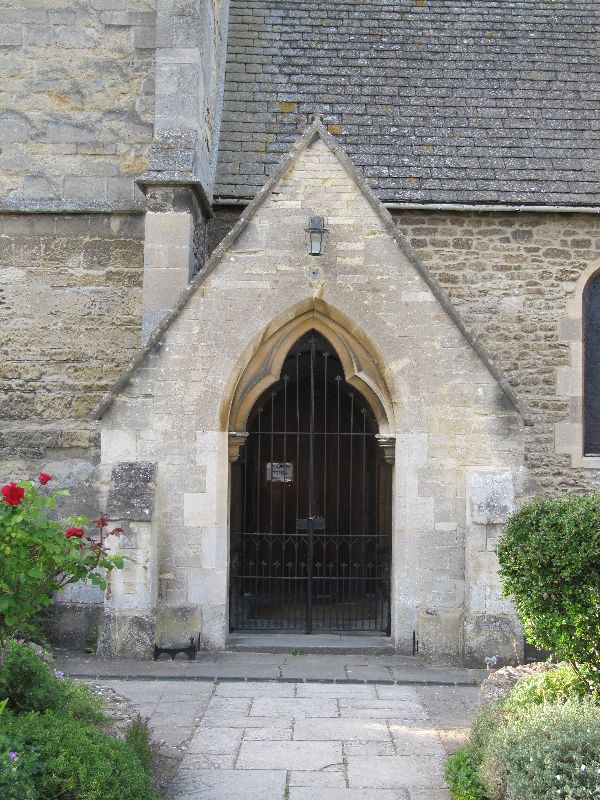
"The Church of England parish church of Saint Martin was originally 11th or 12th century, and its south porch had a Norman doorway. However, the old church was demolished in 1802 and a new building completed in 1804. This in turn was completely rebuilt in 1891 to designs by the Gothic Revival architect A.W. Blomfield.
The parish of St Martin's includes Blenheim Palace, the family seat of the Duke of Marlborough. Most members of the Spencer-Churchill family are interred in St. Martin's parish churchyard at Bladon; only the Dukes and Duchesses are buried in the Blenheim Palace chapel. Blenheim Palace is also the birthplace of Winston Churchill, who was Prime Minister of the United Kingdom 1940–45 and again 1951–55. Like his parents, he was buried in St. Martin's parish churchyard after his death in 1965; his wife Clementine was buried in the same grave after her own death 12 years later."
Hope you enjoy he blog this week it is quite long so get a coffee

St Martin's Church from the churchyard extension


Left the main entrance through the Lychgate

The south side of St Martin


Above the belltower and porch with a view of the South side on the right here


Above the East end
Left the North side


The west end showing the tower and the porch

Inside St Martin looking down the Nave

Near the Chancel looking through the Arch

The altar

The altar screen a Simplae wooden cross adons the altar

A simple wooden cross adorns the altar with a more ornate on in front


Above looking out of the chancel towards the nave
Right the church organ in the chancel behind the choir stalls


The church lectern on the left while right you see the pulpit

The view you get from the pulpit to the nave


Henry Fawdry memorial and the church banner

At the back you find the church font along with an old Bequest


Some of the detail in the chancel

The banner hanging here at the back of the church is to do with the Churchill family

A stunning stained glass widow which you can see in the chancel


The two widows above are in memory of the Churchill family, the one on the right is in Memory of Sir Winston


Two of the smaller windows

Another of the stained glass windows in St Martin

The coat of arms on one of the Churchill stained glass windows

The coat of arms on top of Sir Winston's Stained Glass window

At the back of the church you can see a small exhibition Sir Winston Churchill and his funeral through Bladon

All the stained glass windows have brass plaques on telling you who the window in in memory of

They are all beautifully engraved and polished

With the windows reflected in some

A lot of care went into their making

At the back by the font is the Royal British Legion Flag hanging over the Roll of Honour not far away from the church beside the road is the War memorial
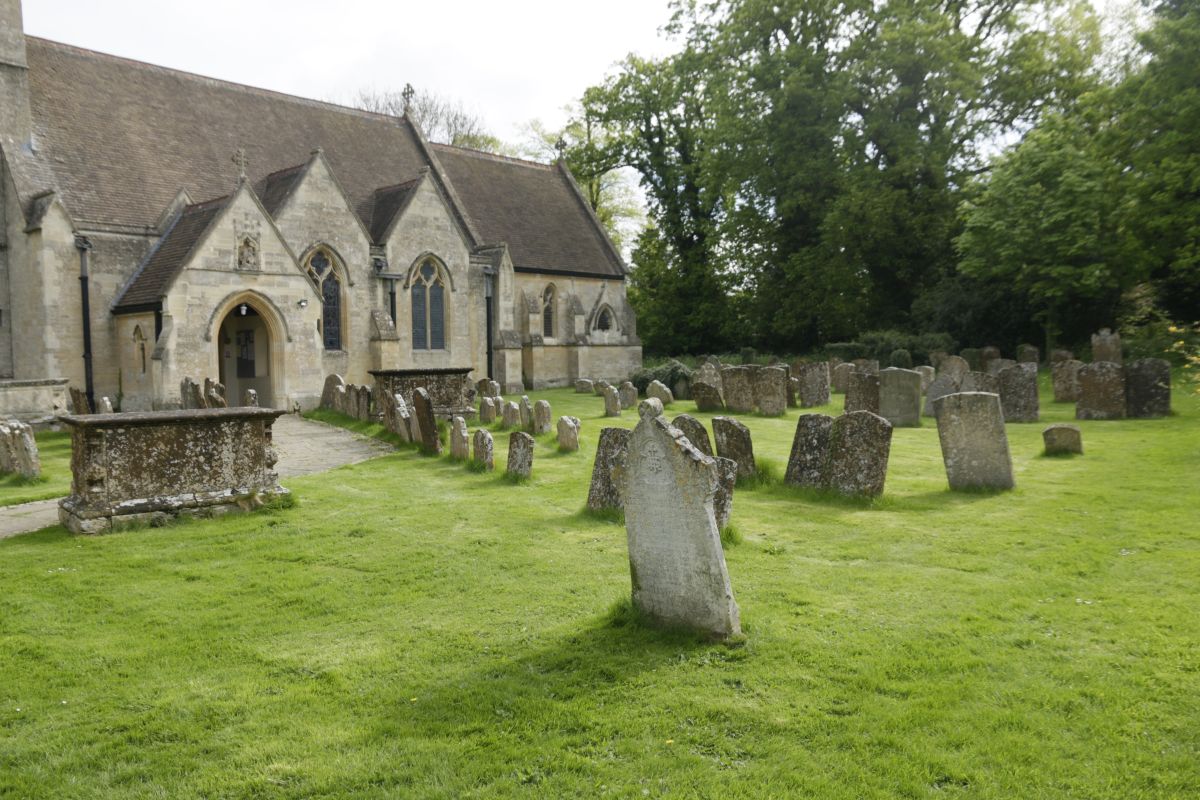

Outside in the churchyard you can see lots of older graves

Though down at the East end

you will find it has been left to grow wild

as a wild life haven

with many of the graves covered in Ivy

Though as you walk around the rest you find it well kept

Above the Churchill family vaults


Some of the older graves and vaults

Walking away from the church to the north of the church

Looking back towards the church and a seating area


The Grave of Charles Spencer Churchill
in the extended part of the churchyard

The extension where you can see the more modern headstones

View up the Churchyard extension

The grave of Private John Shayler

One of the Vaults near the church

I will leave you with this view of the grave of Sir Winston Churchill and his wife Clementine
While I was there a young man from the US asked if I could take a photo of him and his companions by Sir Winston's grave, after he remarked he though it would be bigger. I replied he did not need a huge tomb this was perfect I felt it reflected a simple man he was.
Have a peaceful Weekend
While I was there a young man from the US asked if I could take a photo of him and his companions by Sir Winston's grave, after he remarked he though it would be bigger. I replied he did not need a huge tomb this was perfect I felt it reflected a simple man he was.
Have a peaceful Weekend