Friday, 13 March 2015

St John the Baptist South Moreton


This has been another on my Todo list for a while and though I had been to visit the church may times I failed to find the door open of find any one home to ask. I eventually found out where the key was kept and after asking was allowed to visit the inside for some photos St John the Baptist is part of the Churn Benefice and the last one to I had to visit. No doubt there has been a church here on this site as next door are the remains  Mott & Bailey castle and one was most likely built nearby for some protection and people to worship in.

 This is a view of the south side of the church with it's porch doorway the church also an arguably Saxon doorway which I am unsure as to where it is


 Looking from the east corner of the churchyard
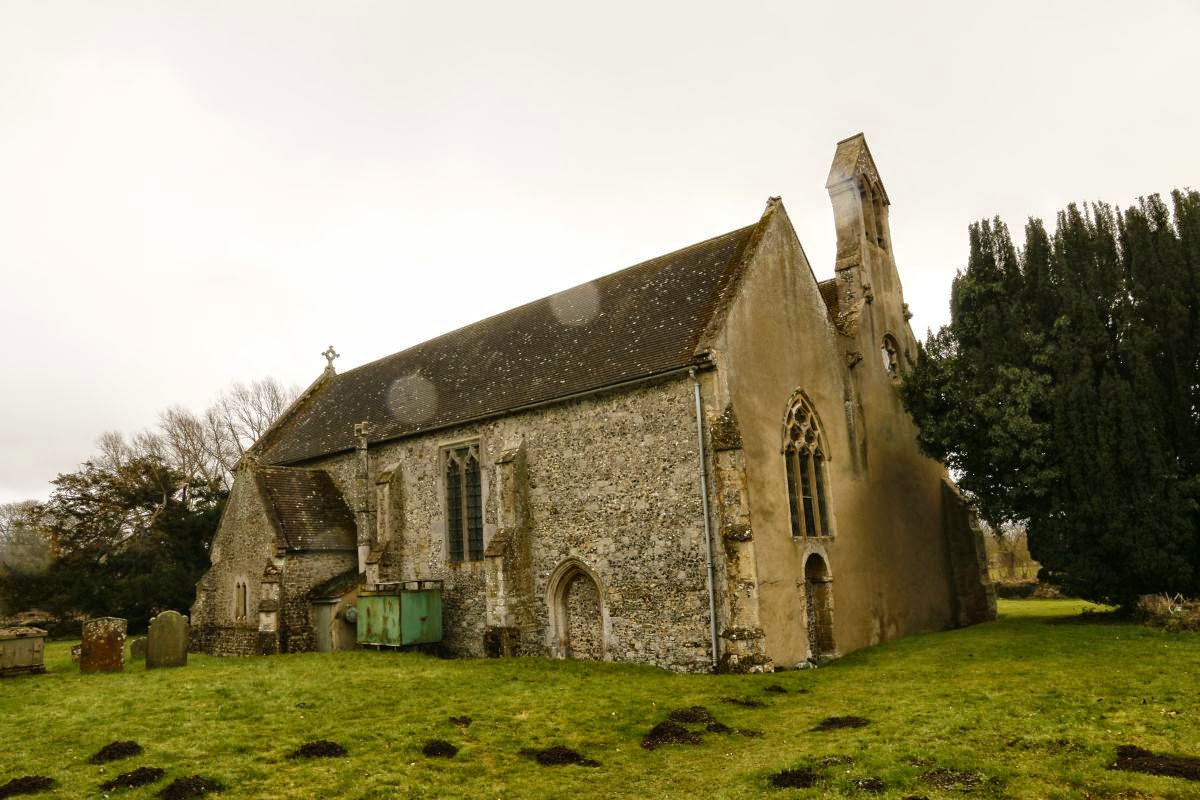


the view form the North West where you can see a couple of blocked up doorways, was one the Saxon doorway?


Looking from the North East with a chest tom in the foreground. The Yew tree to the left is around 1000 plus years old


 Going through the door from the porch you first see this south aisle chapel


before going through to the main part of the nave to see down the aisle there
Here you can see the dividing wall with it's archways & pillars

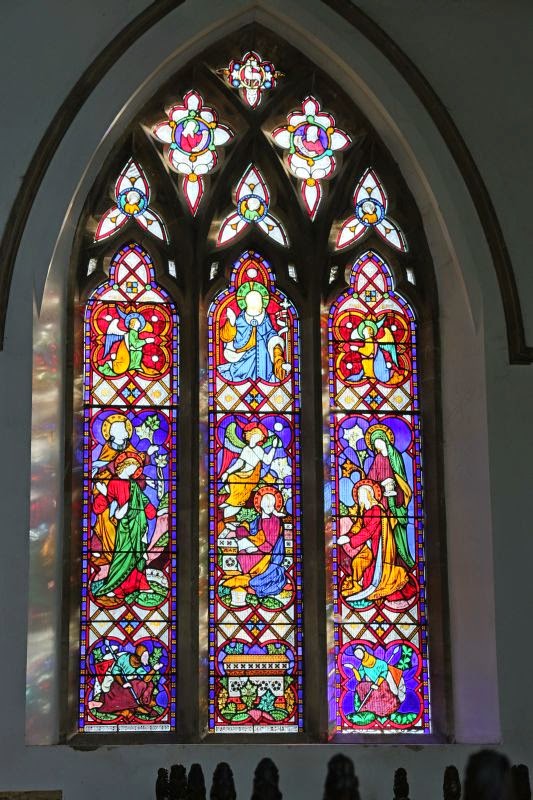
 The main altar has a plain covering on it and there is a lack of stained glass in the window above


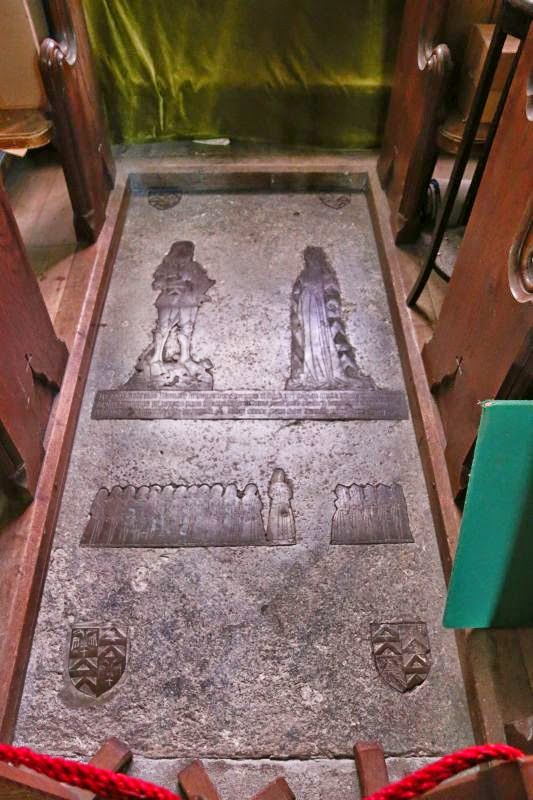
To the left is a very nice stone pulpit that has its own door leading to some stare which give you entrance through another door to the pulpit itself, the door was locked to no view from the pulpit. In from of the altar is this tomb with some superb brass on it. I did not check it's age or who was buried there 
 
I never know what this pew is for though it does have some nice carved finals on it


Here you look back down the aisle to the small organ you see at the back. One of the lady's who visit look after the church at least has made  a beautiful display


At the back is a small plaque with  a list of those me who lost their lives in the defense of this country in the First World War


The list of fallen some most likely had relations in my Village


The area Foulscote still exists a mile or so outside the village


I love coming across these old benefaction plaques, it was quite a lot of money Edward Shermane left to the village. On the right is a memorial to John Kerby who is buried in the church


The small church organ


Another memorial to a John Kerby and his Wife Sarah, no doubt son of the other John Kerby . View of the top of the pew and the candles to light the lectern on the pulpit

Going over to the South Aisle we look at a side that looks in more regular more use

The altar has a more colourful cloth and the cross and banner in the background newer


Looking over towards the man aisle


One thing I noticed was the keeler by the altar moved and revealed this memorial  under it


along with a couple more nearby which date back to the 17th century


In the corner by the altar is this small blocked off window which looks old but I could not hazard a guess as to if it is Saxon or Norman


On one side is a banner and further along the aisle you can see the memorial to the dead of the second war


If you look up you can see the roof supports with carved heads supporting them


 like the face here on the left or on the central arch on the right


 At the back is the carved stone font


and if you look along the pews 


you can see the handy  work of the Women's Institute or Union


 As I was about to go I noticed a line of what looked like a tomb poking out from beside the carpet and on pulling it back it unveiled this wonderful old tomb, I thought what a shame some of it is damaged.


Going back out for a quick wander round the churchyard


you find the north side had most of the graves in


Going towards the east end you find many more and at the end an extension has been built for new burials


Round the south side of the church near the entrance is a Yew tree of considerable age


and even under its bows you can find headstones


going back round the north again a solitary tomb chest


I always see something new when visiting a church again and this time I noticed the headstops


or grotesque if you like but I do like this one


One nice this was the snowdrops were out
After finally seeing St John the Baptist inside I felt a little disappointed. The church is looking more run down than I would have thought and needs  money spent on restoration, I wonder how long it will be before it becomes part of the Conservation Trust. If your in the area then do stop off and visit the church if you can as it is quite a pleasant one to look round.
Before you go could you vote on the poll I placed in the side bar I'm considering a change of name for the blog to something less morbid sounding

Wishing you a pleasant Sunday


Saturday, 7 March 2015

St Cyriac Lacock


I did not expect to visit the church and I must admit I did not have a tripod with me so many of the photos are done using HDR facility on my camera so they tend to be  a bit lighter. St Cyriac is a favorite Norman saint and the church is build in the11th century quite passably on the old Saxon one which was here. Since then it had had various changes done to it through out the century's. Not far away is a Nunnery which was founded in 1229.

 This is the main entrance to the church which unfortunately still has the wheelie  bins left out the front which does not do a lot for the look of the place


Walking up the path you can see a huge stained glass window on the north chapel where as round the south side is a south  transept


View of the church from the south with the transept over to the right


The churchyard path is cobbled so must be fun in the ice though it does look nice


there are quite a few tomb chests in evidence   


which points out to me


that a lot of wealthy people lived round the area and worshiped here


There are also a lot of old headstones 


though much of the inscriptions have now gone


This part of the churchyard near the west end has more tombs than headstones
The entrance to the church is to the right through the porch

 This is the view you get as you come into the nave, the person ahead was doing the same as me

 This window was one of the first things I noticed


which was in this South chapel


there was another stained glass window in the south Transept
 The chancel one was paled by comparison


There were some really nice memorials on the walls of the church

 Though this one was amazing


The memorial is to Sir William Sharington
who I think was the first owner of Lacock Abbey. Turned out he was a bit of an embezzler as well


This is the stained glass window in south Transept you saw a few pictures back


and these are two of the most impressive memorials in it


along with this brass on the floor which is no doubt a family Tomb


on the lrft is the south chapel and the right is the church font
 Looking down the nave to the entrance of the church
 Here we look over to the north aisle


some nice features in the porch are these bequests 


where rich people leave money to the poor of the parish


That is all for now. I really would like to revisit this church with a tripod sometime when it is not so cold and read up some of the notes on the various parts of note.


Before you go I'm thinking of changeing the name of the blog to someting less morbid sounding, what do you think? You can use the poll on the top of the sidebar to regiter your oppinion.
Have a good Sunday

Saturday, 28 February 2015

St George's Kelmscott


I wandered in to this village back in 2012 while tracing down some pillboxes along the Thames. I stopped off at St Georges church and took the time to look round it before carrying on with the task I had started out to do.

Go inside the church and it shows the church dates back a long time.

With wall paintings that date back to the 13th century


Graves up by the altar with crests on show some one of wealth was buried there.


On the wall in the chapel this memorial is hung which is to Edward Dore who it seems was well traveled.


Nearby s a war Memorial tp Frank E Hayes and Henry Hayes who were both killed in the first world war.                                                                                                 


Here we look down the nave of the church from the chancel.


The Altar is a simple one with a small chancel window behnd


That depicts St George killing the dragon.
Either side is this material called Strawberry Thief by William Morris who's influence in restoring the church can be seen.


Going back outside to wander the churchyard you can see many old graves


And some newer memorials


Along with family ones like John Wells Brain his wife and his children who are  buried in these two graves.


Not far away across the churchyard is the grave of William Morris and his family. Many people from all over the world come here to see it while visiting the Manor up the road where he lived.

Kelmscott is a peaceful and tranquil village by the Thames in Oxfordshire that is worth taking your time to visit if your in the area.