Before you start reading the blog I have to tell you Feedburner are stopping the superscription service not that it worked as I found out is was linked to My Grave Place which was the original blog I had so I doubt any one got any updates for years. I have now stopped that and deleted everything associated with it and have replaced it with a new subscription service and if you wish to follow me buy email and get the latest blog you just need to use the subscribe button on the right.
I have know of Appleton ever since I worked in Oxford and had an Apprentice who came from the village, he was known to us a Jaffa, not sure where he got the name from other that It could be he liked Jaffa Cakes. Jaffa worked at the same place for years then left and I never heard of him again and I often wonder how he is getting along. Appleton was not far form the church at Besselsleigh which used to be part of the group at one time. The church has long been on my list to visit along with the one at Cumnor so I drove along after seeing the St Lawrence at Besselsleigh. Some history from Wikipedia :-
"The oldest parts of the Church of England parish church of Saint Laurence are 12th-century Norman. The north aisle was added late in that century, linked with the nave by a four-bay arcade
of pointed arches. In the 13th century a new window and doorway were
inserted in the south wall of the nave, as was the priest's doorway on
the south side of the chancel. The east window of the chancel is 14th-century in style. In the 15th century the Perpendicular Gothic bell tower
was added, a window inserted on the south side of the nave and the nave
was re-roofed. The south porch was added early in the 16th century, the
north aisle was rebuilt in the 17th century and the north porch was
built in about 1700. The Gothic Revival architect CC Rolfe restored the nave in 1882–84. The church is a Grade II* listed building.
Monuments in the church include a brass of two shrouded corpses in memory of John Goudrington, who died in 1518, and his wife. In the chancel is a Renaissance
stone monument erected in 1593 in memory of Sir John Fettiplace, who
died in 1580. It includes a life-size effigy of Sir John in 16th-century
armour, a pair of Corinthian columns supporting a canopy surmounted by a pair of obelisks, and a long Latin inscription surrounded by extensive strapwork and a number of skulls.
The tower has a ring of ten bells, all cast by the Whitechapel Bell Foundry.
Thomas II Mears cast the seventh bell in 1817. George Mears cast the
second and third bells in 1859 and the ninth and tenor bells in 1861.
Mears and Stainbank recast the eighth bell in 1874 and cast the treble,
fourth and fifth bells in 1875. The sixth bell was recast, and the
fittings for all bells replaced, and a new frame installed in 1977. The
work was carried out by White's of Appleton, in the same village."
The main entrance is along a drive which stops near the church, walk across the churchyard and you get a nice view of the North side of the church
The bell tower with some family tombs below
Walking around the west end you find an old entrance to the church
Going around the south side to the east end looking at the church
The east end of the church with north aisle
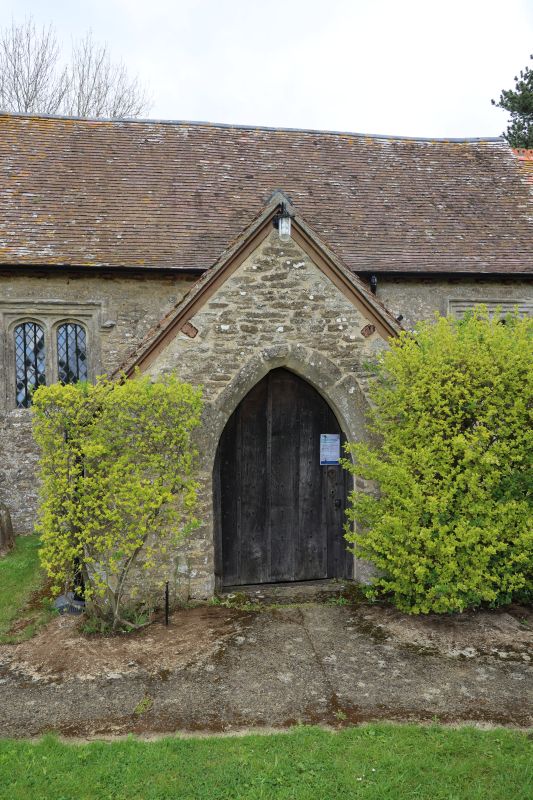
The south entrance porch
Above which you find this beautiful statue of St Lawrence
From the entrance drive a view across the churchyard
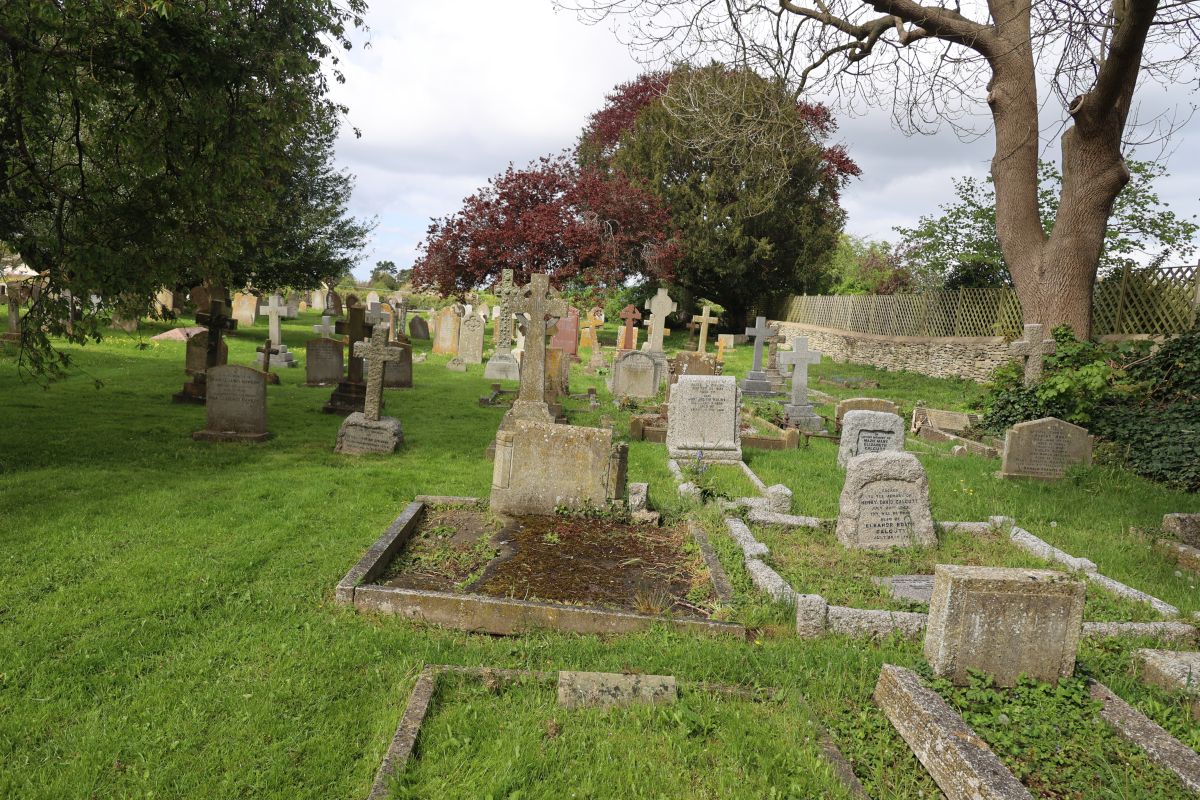
Looking east at some older graves
Looking west
A couple of small angels one in the background
The south side of the church
I only realised who this person was after seeing a relations grave the little bells give you a clue
I have not come across a flute on a grave before
The white family headstone with the church in the background I'll let you know who they are later
Looking west towards the manor
An old headstone with cherubs on it, I suspect dating from around the 1700's
Looking towards the north side of the church from the churchyard
The arched headstone on the right I though unusual in this area
Now I mentioned the white family in photo previously well this is another one and I think you might get another clue in the inscription. The White Family is very famous around Oxordshire for making and hanging bells and their company Whites of Appleton Ltd is the Oldest Continuously trading Bellhanging Company in the UK. My old mate Cliff Garlick mentioned Whites on may occasions and I have no doubt knew Frank well, I dare say they both raised a glass together in the local when Cliff rang here
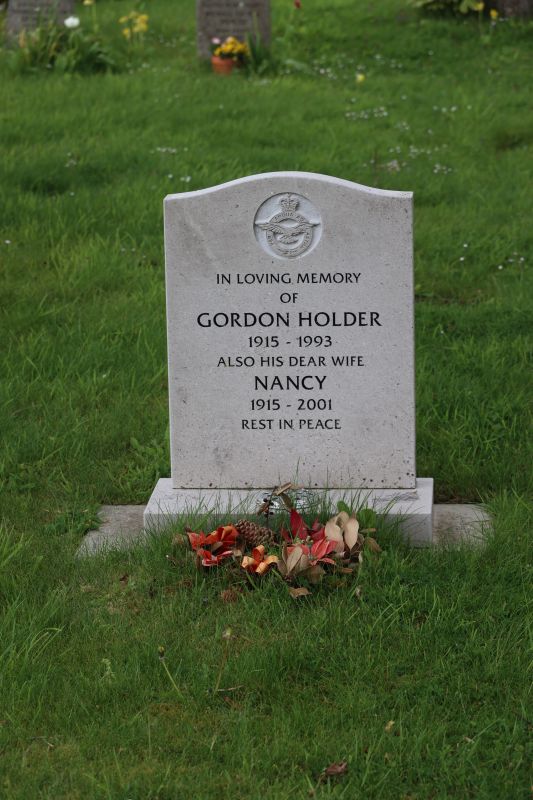
While walking around the south side of the churchyard I noticed memorials for the cremated of the parish by the wall, I tend to look around local ones to see if I recognise any one, well this one I did. Rex used to work at Oxford Instruments in Osney Mead while I worked there. He worked in the same workshop on a bench nearby and did some of the most accurate machining I have seen any one do especially considering the machines were well used. I might add he always cleaned it before and after use and you knew hen he had been on one. I cannot remember when he retired which is rather sad but I never forgot the guy and always wondered what happened to him. I know now he lived to a reasonable age.
The blog is dedicate to Rex May he Rest In Peace
I intend to return to the church to see the inside when we are allowed
Till Next time have a peaceful weekend